














B.Tech Work Integrated Programs (WIP)
An Integrated B.Tech program typically combines undergraduate engineering studies with a postgraduate degree, allowing students to complete both degrees in a streamlined manner. Here's an overview of what an Integrated B.Tech program entails:
Key Features- Duration: Integrated B.Tech programs usually span 3 years, depending on the institution and the specific curriculum.
- Curriculum: The program often includes a blend of undergraduate and postgraduate courses. The initial years cover foundational engineering subjects, while the later years focus on specialized topics and advanced studies.
- Specializations: Students can often choose from various specializations, such as:
- Computer Science and Engineering
- Mechanical Engineering
- Civil Engineering
- Electrical Engineering
- Electronics and Communication Engineering
- Information Technology
- Work Integrated Learning: Many programs may incorporate practical training or internships, allowing students to gain real-world experience while studying.
- Research Opportunities: Integrated programs may offer opportunities for research and development projects, especially in the latter years, preparing students for advanced roles in their fields.
- Career Prospects: Graduates of integrated programs often have a competitive edge in the job market due to their comprehensive education and practical experience. They can pursue careers in various sectors, including technology, manufacturing, consulting, and more.
- Engineering Roles: Graduates can work as engineers in various domains, including software development, design, project management, and quality assurance.
- Higher Studies: Graduates may choose to pursue a Ph.D. in their specialized field, opening up opportunities in academia or advanced research roles.
- Management Positions: The integrated nature of the program may also prepare graduates for managerial roles, especially in project management or engineering management.
- Entrepreneurship: With a strong technical and business background, graduates can start their own ventures in the engineering or technology sectors.
- Consulting: Engineering consulting firms often seek individuals with integrated degrees for their broad knowledge and ability to tackle complex problems.
- Public Sector Jobs: Graduates can also pursue careers in government sectors and public sector undertakings (PSUs), which often recruit engineers for various technical roles.
- Time Efficiency: Completing two degrees in a shorter period saves time compared to pursuing them separately.
- Comprehensive Skill Development: The program provides a deeper understanding of engineering principles along with advanced concepts, enhancing employability.
- Networking Opportunities: Students often have access to industry connections, internships, and collaborations through the program.
Overall, an Integrated B.Tech program offers a robust educational pathway for aspiring engineers, providing a solid foundation for diverse career opportunities.
Admission and Eligibility Criteria
Admission and eligibility criteria for B.Tech programs for working professionals in the field of engineering can vary depending on the institution and the specific program. However, here are some common requirements that you might encounter:
General Admission RequirementsThe admission and eligibility criteria for a (WIP) - B.Tech can vary between institutions, but generally, the following are the typical requirements:
Documents Required:- Diploma/certificates and mark sheets: Required to verify academic qualifications.
- Work experience letters or proof of employment: Documents to confirm previous work experience.
- Proof of current employment: Such as an employer's letter or salary slip.
- Identity proof: Valid documents like Aadhaar card, passport, etc.
- Entrance exam score: If applicable, scores from relevant entrance exams.
| S.No. | Specialization | Duration | Sub-Stream | Fees | Eligibility |
|---|---|---|---|---|---|
| 1. | B.Tech Civil Engineering |
| 4 Years | INR 40,000/- per semester |
|
| 2. | B.Tech Mechanical Engineering |
| 4 Years | INR 40,000/- per semester |
|
| 3. | B.Tech Electrical Engineering | 4 Years | INR 40,000/- per semester |
|
|
| 4. | B.Tech Mining Engineering | 4 Years | INR 40,000/- per semester |
|
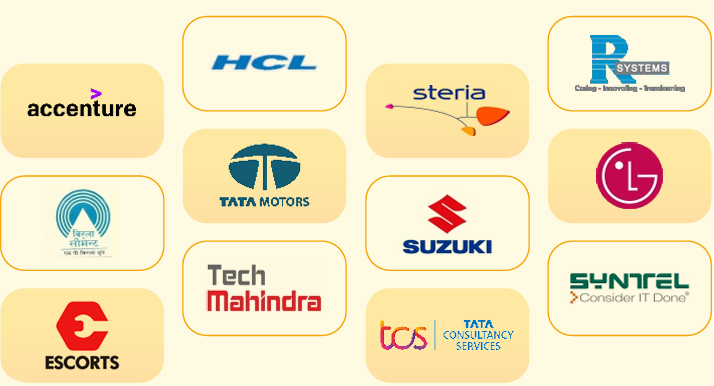
B.Tech for working professionals from Usha Martin University (UMU) has established a strong reputation in education sector and is known for its robust placement opportunities. Here are some of the top recruiters that have hired graduates from Usha Martin University:
The placement cell at Usha Martin University actively collaborates with various industries and sectors to ensure students have a wide range of opportunities. Additionally, many students also pursue internships and clerkships, which often lead to full-time job offers.
Career After B.Tech for Working Professionals - Work Integrated Program (WIP)
After completing a B.Tech degree, working professionals can explore a variety of career roles across different industries. Here's a comprehensive list of potential career roles:
- Engineering Roles
- Design Engineer: Involved in creating and developing engineering designs for products or systems.
- Production Engineer: Focuses on managing and improving production processes in manufacturing settings.
- Quality Assurance Engineer: Ensures products meet quality standards and specifications through testing and evaluation.
- Maintenance Engineer: Responsible for the maintenance and reliability of machinery and equipment.
- Project Management
- Project Manager: Oversees engineering projects, coordinating resources, schedules, and budgets.
- Technical Project Manager: Manages technical aspects of projects, ensuring the integration of engineering processes and practices.
- IT and Software Development
- Software Developer: Designs and develops software applications, systems, or platforms.
- Systems Analyst: Evaluates and improves IT systems, ensuring they meet business needs and requirements.
- Network Engineer: Focuses on the design, implementation, and management of computer networks.
- Research and Development
- R&D Engineer: Engages in research and development of new technologies, products, or processes.
- Product Development Engineer: Works on the design and development of new products from concept to market.
- Consulting and Advisory Roles
- Engineering Consultant: Provides expert advice on engineering projects and processes to clients.
- Management Consultant: Offers strategic advice to improve organizational efficiency and effectiveness.
- Sales and Marketing
- Technical Sales Engineer: Combines technical knowledge with sales skills to sell engineering products or solutions.
- Marketing Manager: Develops and implements marketing strategies for engineering or technology products.
- Government and Public Sector
- Public Sector Engineer: Works in government departments or public sector undertakings (PSUs), focusing on infrastructure and development projects.
- Civil Services Engineer: Engages in civil services roles that require technical expertise in engineering.
- Higher Studies and Academia
- Graduate Studies: Pursues a Master's degree (M.Tech/M.S.) or even a Ph.D. for advanced roles in research or academia.
- Lecturer/Professor: Teaches engineering courses at universities or colleges, contributing to academic research.
- Industry-Specific Roles
- Civil Engineer: Works on infrastructure projects like roads, bridges, and buildings.
- Mechanical Engineer: Focuses on designing and developing mechanical systems and products.
- Electrical Engineer: Specializes in electrical systems, including power generation, transmission, and distribution.
- Technical and Support Roles
- Field Service Engineer: Provides on-site support for equipment installation, maintenance, and troubleshooting.
- Application Engineer: Works with clients to understand their needs and tailor engineering solutions to meet those requirements.
- Operations and Management
- Operations Manager: Manages day-to-day operations of engineering departments or companies, focusing on efficiency and productivity.
- Supply Chain Manager: Oversees the supply chain processes, ensuring timely delivery of materials and products.
The career roles available to B.Tech graduates are diverse and span various industries, allowing working professionals to leverage their technical skills and practical experience. Many roles also offer opportunities for further specialization, leadership positions, or even entrepreneurial ventures, depending on individual career goals and interests.